
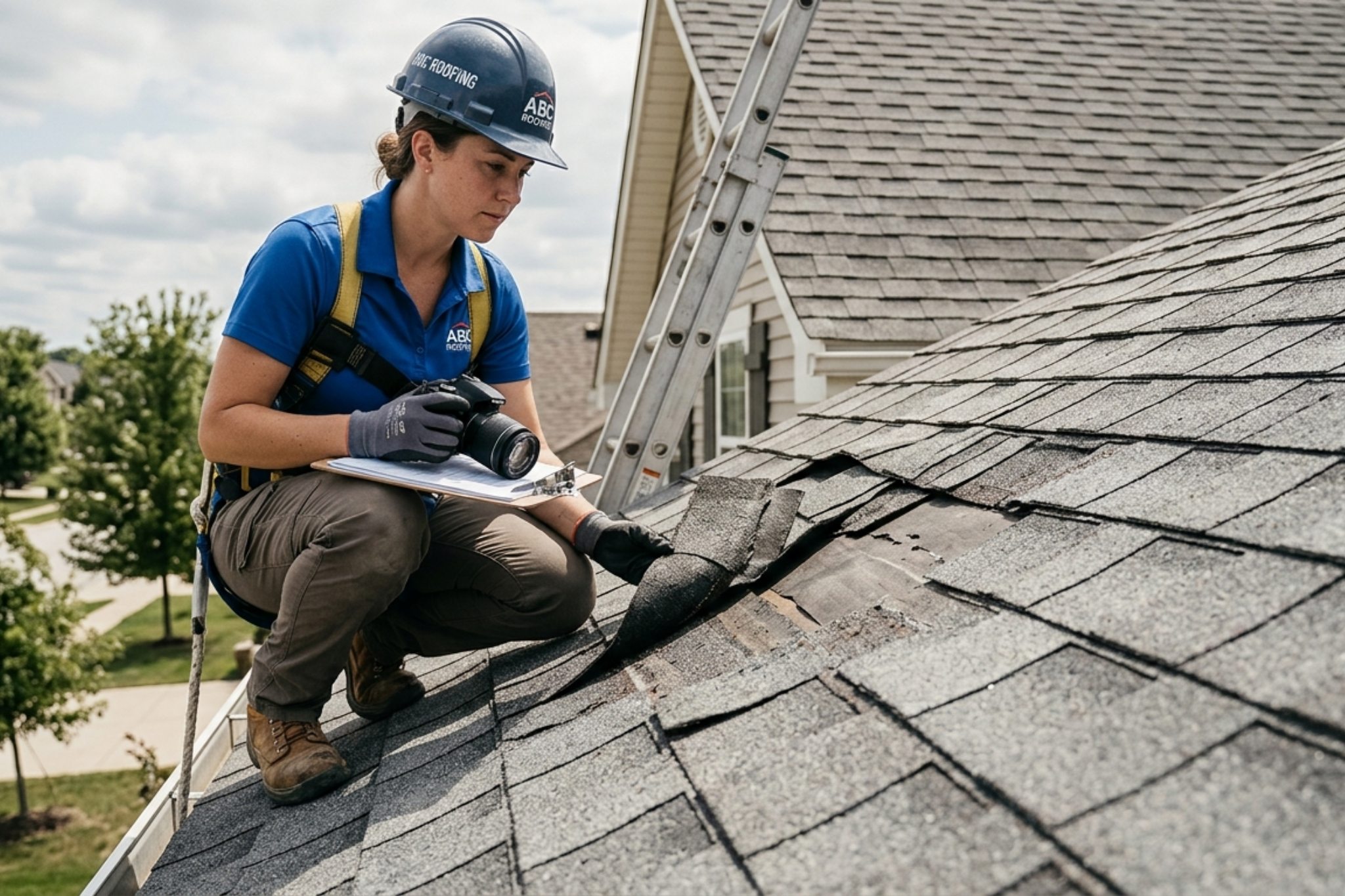
Severe wind damage can affect a property in many ways, from missing shingles and broken windows to siding damage, fallen debris, and structural issues. After a major wind event, many property owners focus only on the obvious exterior damage, but strong winds can also create hidden problems that become more serious over time. Taking the right steps early can help protect the property and support a stronger insurance claim.
The first step is safety. If there are downed power lines, unstable structures, exposed openings, or debris around the property, stay clear until it is safe to inspect the damage. Once conditions allow, begin documenting everything carefully. Take photos and videos of the roof, exterior walls, fencing, windows, gutters, siding, and any debris impact. Capture both wide views and close details.
It is important to document the property as it looks immediately after the wind event. This helps create a clear record of the damage before cleanup or temporary repairs begin. If tree limbs, broken materials, or scattered debris caused damage, include those in the photos as well. These details can help connect the property loss to the storm event.
Next, take steps to prevent additional damage. If the roof has openings or windows are broken, temporary tarping or boarding may be necessary. Wind damage often leads to water intrusion if it is left unprotected, which can increase repair costs and complicate the claim. Keep all receipts for temporary repairs, emergency services, and protection materials.
A strong wind damage claim also depends on looking beyond the most obvious issues. Roof lifting, flashing damage, loosened siding, cracked seals, and weakened exterior materials may not be immediately visible from the ground. If these issues are missed, the claim may not reflect the full repair needs of the property.
Keep a written record of all damage and claim-related activity. Save contractor estimates, inspection notes, photos, invoices, and communication records. Write down the date of the storm, when damage was discovered, and what emergency steps were taken. Organized documentation can help reduce disputes and make the claim easier to support.
Many property owners rush to clean up everything before recording the damage properly. While cleanup is important, removing evidence too soon can weaken the claim. It is better to photograph, list, and organize the loss first, then move forward with protection and repairs.
Key Points:
- Start with safety before inspecting the property
- Photograph all exterior and interior wind-related damage
- Record debris impact and storm-related evidence
- Use temporary protection to prevent more loss
- Keep every estimate, receipt, and inspection note
Conclusion:
After severe wind damage, the right steps can make a major difference in both property protection and claim strength. Careful documentation, fast protective action, and full recordkeeping can help support a more accurate settlement and a smoother recovery process.