Fire damage can leave property owners dealing with smoke, structural issues, damaged belongings, and major financial stress. In many cases, the visible damage is only part of the problem. Hidden issues such as soot contamination, weakened materials, and odor damage can increase repair costs significantly. That is why it is important to handle a fire damage claim carefully from the very beginning.
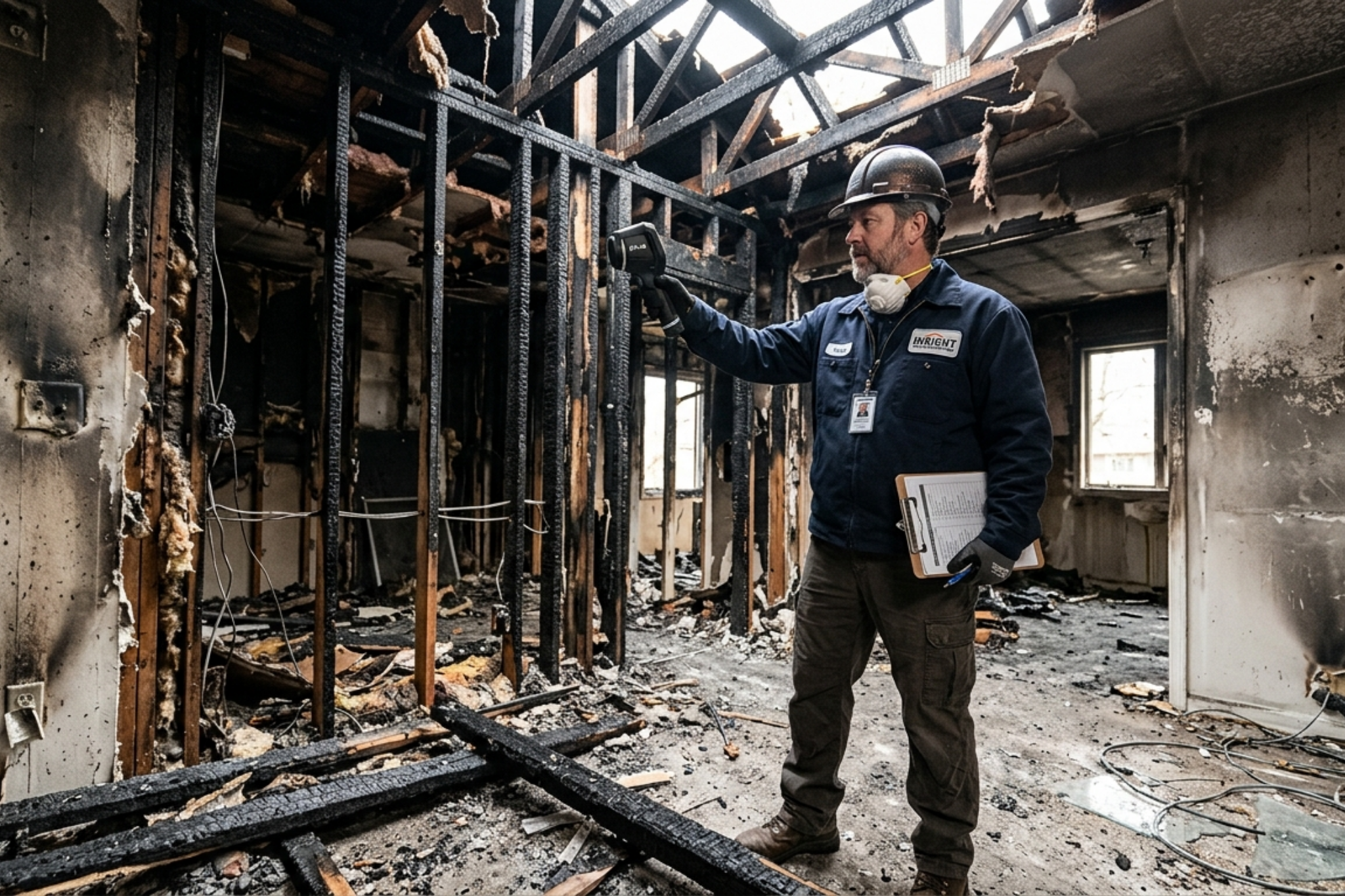
The first step is to document everything as soon as it is safe to enter the property. Take clear photos and videos of every damaged area, including walls, ceilings, flooring, windows, furniture, appliances, and personal belongings. Try to create a room-by-room record so nothing gets missed. The more complete your documentation is, the stronger your claim will be.
Next, make a list of all damaged items. Many property owners only focus on large visible losses, but smaller items can add up quickly. Electronics, clothing, kitchen items, office equipment, and decorative materials should all be included. A detailed inventory helps support the full value of your loss and prevents important items from being overlooked.
You should also take steps to prevent further damage. If the property has exposed openings, broken windows, or roof damage, temporary protection may be needed. This shows that you acted responsibly after the fire and can reduce problems during the claim process. Keep receipts for any emergency repairs, cleanup, or protection work because these may support reimbursement.
Another important part of maximizing a fire damage claim is understanding the full scope of loss. Fire damage is not only about burned materials. Smoke can affect nearby rooms, soot can damage surfaces and systems, and water used to extinguish the fire can create additional issues. If only the obvious damage is reported, the insurance estimate may end up too low.
Communication during the claim is also critical. Stay organized with every email, report, inspection note, and repair estimate. Keep records of who you spoke with, when you spoke to them, and what was discussed. A strong paper trail helps avoid confusion and can be useful if there are delays or disputes later.
Property owners often make the mistake of rushing the process just to close the claim quickly. A fast settlement may sound good at first, but if the true extent of damage has not been properly assessed, it can leave you paying out of pocket later. It is better to slow down, review the numbers carefully, and make sure the claim reflects the full damage.
Key Points:
- Document all visible and hidden fire damage
- Create a full inventory of damaged belongings
- Prevent additional damage with temporary protection
- Keep receipts, estimates, and communication records
- Do not settle before the full loss is reviewed
Conclusion:
A strong fire damage claim starts with accurate documentation, detailed evidence, and a full understanding of the damage. When everything is recorded properly, you have a much better chance of securing a fair settlement and protecting your financial recovery.