
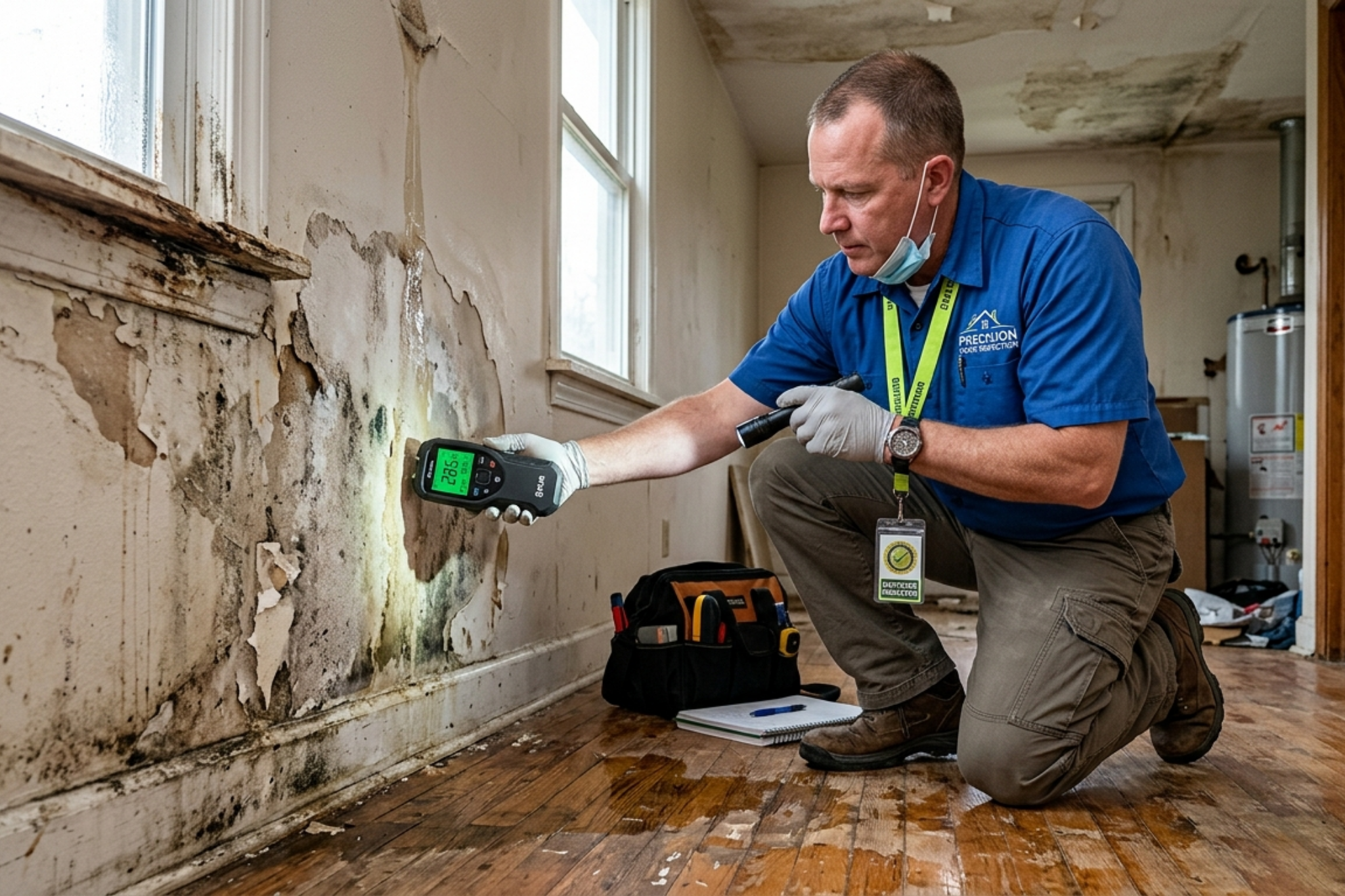
Water damage can spread quickly through a property and create much bigger problems than many owners expect. What starts as a pipe leak, roof issue, or appliance overflow can turn into damaged flooring, stained walls, weakened materials, and hidden moisture behind surfaces. Because water damage can worsen fast, the way you handle the claim early on can make a major difference.
The first priority is to stop the source of water if possible and reduce further damage. This may include shutting off the main water line, placing temporary protection, removing standing water, or moving valuable items away from affected areas. Acting quickly not only protects the property but also helps show that you took reasonable steps after the damage occurred.
After that, document the damage in detail. Take wide photos of each affected room and close-up images of damaged materials, stains, swelling, cracks, warped floors, damaged cabinets, and personal items. Videos can also help show the spread of water and the overall condition of the property. Try to record everything before cleanup begins.
One of the most important parts of a water damage claim is identifying all affected areas, not just the visible ones. Water often travels into walls, under floors, and through connected rooms. Hidden moisture can lead to structural weakening and additional repair costs. If only the obvious damage is included, the total claim value may fall short of the true loss.
Create a written list of damaged materials and belongings. Include furniture, rugs, electronics, appliances, stored items, and anything else impacted by the water. Even if some items look repairable, they should still be documented. Small losses can build up and play an important role in the overall value of the claim.
It is also smart to save every record related to the loss. This includes photos, emergency repair invoices, drying service bills, inspection notes, and contractor estimates. Organized records make your claim easier to support and reduce the chance of missed costs or confusion during the process.
Another mistake property owners make is assuming the first estimate covers everything. In reality, water damage often requires a deeper review because secondary issues may appear after the initial inspection. Flooring may buckle later, drywall may need removal, and moisture damage may spread further than expected. Reviewing the full scope carefully can help strengthen the claim before it is finalized.
Key Points:
- Stop the water source and reduce extra damage
- Document every room and affected material
- Check for hidden moisture and secondary damage
- List all damaged belongings and surfaces
- Keep receipts, reports, and repair estimates organized
Conclusion:
A strong water damage claim depends on speed, documentation, and complete loss reporting. When you record the full impact of the damage and stay organized throughout the process, you improve your chances of receiving a more accurate and fair settlement.